
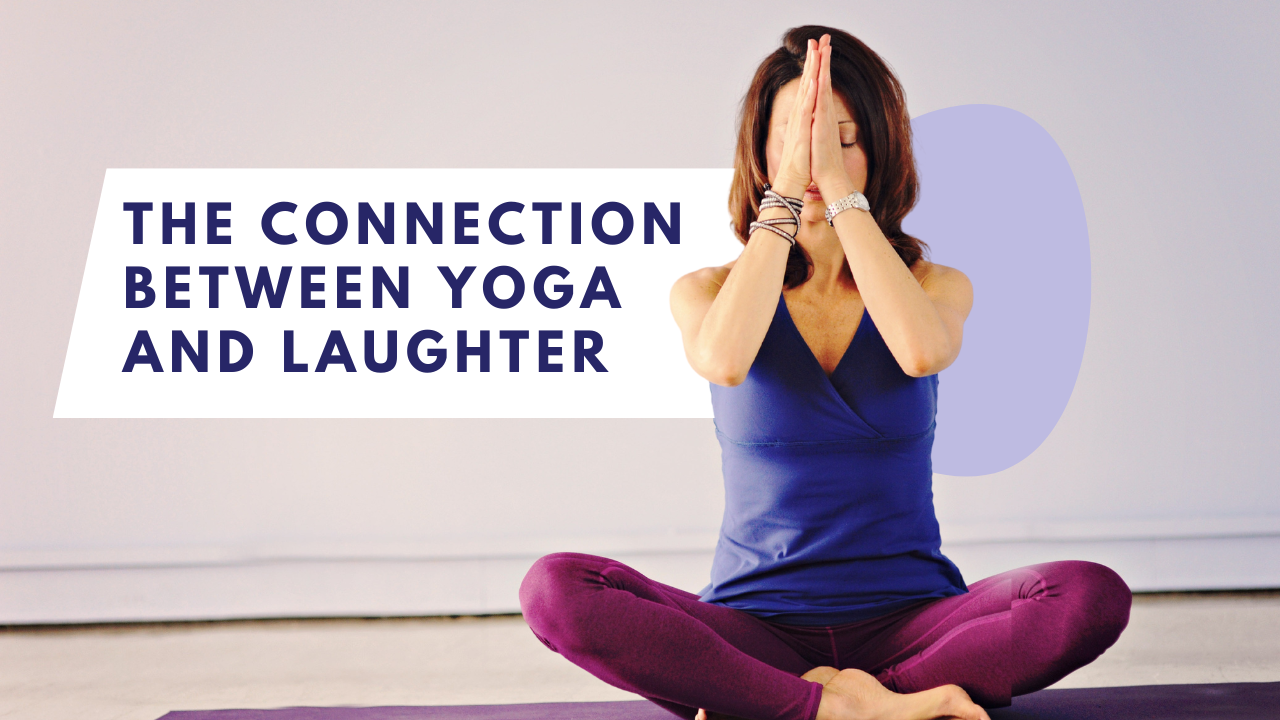
A return to breath. A return to integration.
Take a moment and notice your breath.
Not to change it.
Just to feel it.
Breath is the quiet thread between yoga and laughter. It is the bridge most people don’t see.
The word yoga comes from the Sanskrit root Yuj, meaning to unite — to harmonize body, mind, and spirit. Laughter Yoga follows this same principle. It simply uses breath and sound as the doorway.
And breath is everything.
Breath Is Life
You can live without food for days.
Without water for some time.
But not without breath.
In yogic philosophy, breath carries prana — life force energy flowing from the universe into the body. From a medical perspective, the essential element of breath is oxygen. Every cell relies on it.
When we are stressed or emotionally unsettled, breathing changes. It becomes shallow. Irregular. Often centered in the chest rather than the belly. Many people even hold their breath when upset without realizing it.
This pattern allows carbon dioxide to accumulate in the blood. Elevated carbon dioxide levels can intensify feelings of anxiety, stress, and emotional reactivity. The body interprets this shift as threat.
It’s automatic.
Laughter, when paired with conscious breathing, gently interrupts this cycle.
Not by force.
By physiology.
Why Exhalation Matters
In yogic breathing practices, we are taught to exhale longer than we inhale. This helps remove residual air from the lungs — air that contains higher concentrations of carbon dioxide — making space for fresh oxygen.
In normal breathing, we exchange only a small amount of air with each breath. A significant volume remains in the lungs as residual air. Over time, especially with sedentary lifestyles, many lung cells participate less in oxygen exchange. They become underused.
Laughter changes this.
A sustained belly laugh naturally lengthens the exhale. It pushes stale air out. It engages abdominal muscles to help expel what passive breathing leaves behind. This process increases what is known as vital capacity — the maximum amount of air we can move in and out of the lungs.
When we laugh fully, we are not just making sound.
We are ventilating the lungs more completely.
Sedentary living often reduces lung efficiency. Laughter reactivates dormant respiratory spaces.
The body remembers how to breathe deeply again.
The Diaphragm and the Nervous System
The diaphragm is the primary muscle of respiration, separating the chest cavity from the abdomen. Approximately two-thirds of breathing occurs through diaphragmatic movement, while only one-third occurs through expansion of the rib cage.
Under stress, most people default to chest breathing. The diaphragm becomes less active.
Both yogic breathing and belly laughter stimulate the diaphragm and abdominal muscles. This matters because the diaphragm is closely connected to the parasympathetic branch of the autonomic nervous system — the system responsible for relaxation and recovery.
Its counterpart, the sympathetic nervous system, governs stress arousal.
When the diaphragm moves deeply and rhythmically, it signals safety to the body. Parasympathetic activation increases. The stress response softens.
Move the diaphragm, and you influence the nervous system.
Laughter trains this movement naturally.
Change Your Breathing, Change Your Mind
There is a direct relationship between breath patterns and mental states.
When stressed, breathing becomes fast, shallow, and irregular. When calm, breath slows and deepens.
Breathing is unique in that it is both automatic and voluntary. We can consciously change it.
Through belly laughter and deep abdominal breathing, we retrain the body. Even if disturbing thoughts arise, the body does not experience the same stress response when breathing remains deep and regulated.
This is why laughter does not have to be tied to humor.
It is not about thinking happy thoughts.
It is about influencing the body first.
The mind follows.
The Three Systems Strengthened by Laughter
1. Digestive System
The stomach, intestines, liver, and pancreas are supported by abdominal muscles. During deep breathing and belly laughter, these muscles and the diaphragm create a natural massage for these organs.
Some researchers refer to laughter as “internal jogging.”
This movement supports digestion, circulation within the abdominal cavity, and proper organ positioning.
2. Circulatory System
The heart pumps nutrients and oxygen through the bloodstream. Laughter influences circulation through changes in intra-thoracic pressure — the pressure within the chest cavity.
During laughter, these pressure fluctuations assist venous return, helping blood flow back toward the heart more efficiently.
A hearty bout of laughter temporarily increases pulse rate and blood pressure. Blood vessels dilate, often creating a flushed appearance and warmth in the body. Afterward, heart rate and blood pressure tend to settle below their original levels.
This fluctuation tones the circulatory system.
3. Respiratory System
Once nutrients reach body tissues, oxygen is required for metabolism — the process that converts nourishment into usable energy.
Laughter and breathing exercises increase lung capacity and improve oxygen supply. When practiced regularly, they strengthen the respiratory system and improve overall oxygenation.
Laughter Connects People
Unconditional laughter transcends language. It moves across cultures. It dissolves barriers that conversation sometimes reinforces.
When people laugh together — without jokes, without targets, without comparison — connection deepens.
Yoga is union.
Laughter, practiced intentionally, creates that union at a heart level.
Laughter and Spiritual Growth
Laughter Yoga is not only physical.
It touches the emotional core. It opens what has been held.
Over time, regular laughter can shift attitude. People who laugh consistently often become more forgiving, more generous, more empathetic.
This is not forced positivity.
It is integration.
What This Means for You
You don’t need to perform happiness.
You don’t need to override how you feel.
If you wish, you can simply begin with the breath.
Notice the exhale.
Allow the diaphragm to move.
Let laughter emerge gradually — even gently — without demand.
Over time, the body remembers.
It remembers how to regulate.
How to expand.
How to connect.
This is the deeper connection between yoga and laughter.
It is not about being happy.
It is about integration.